
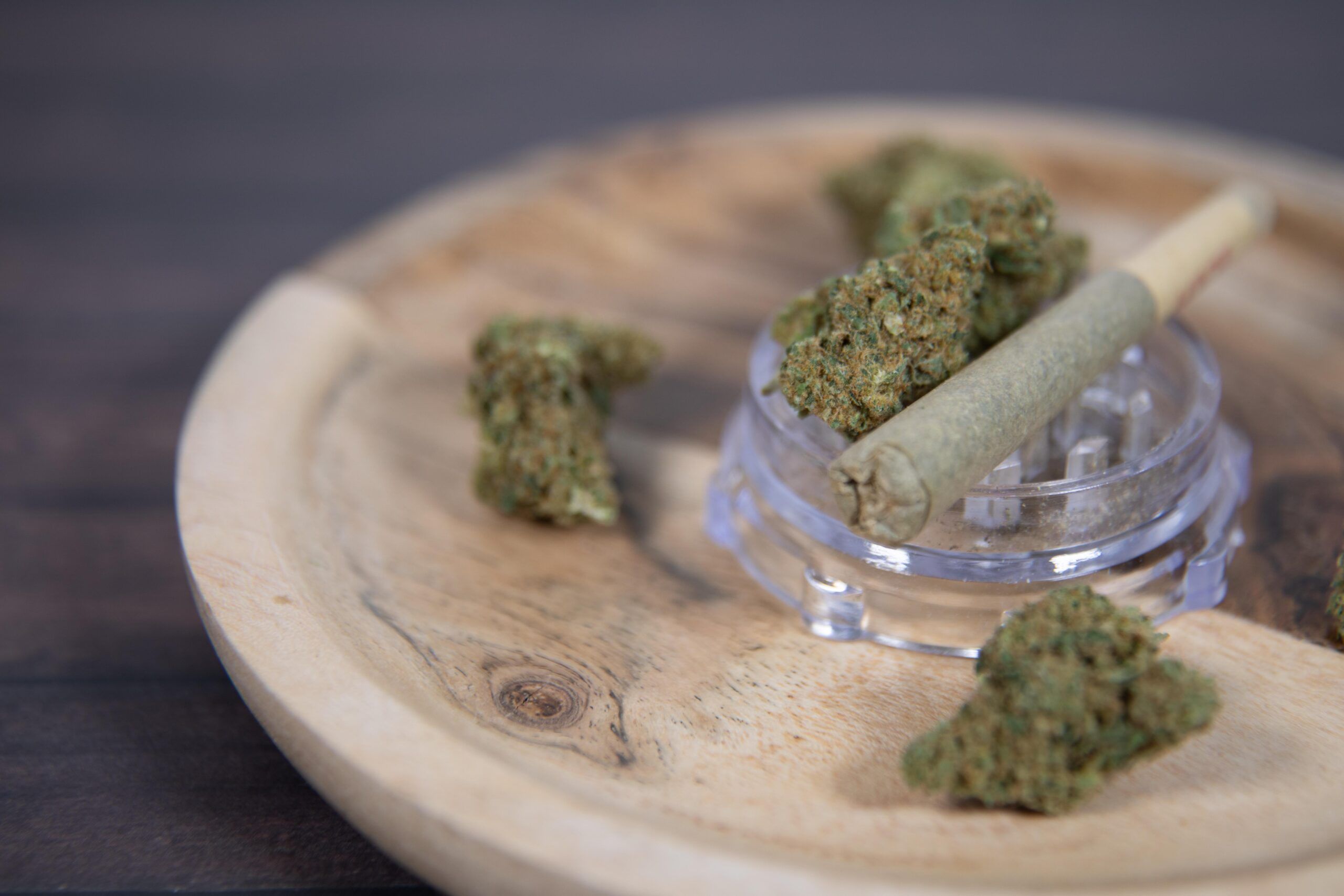
Post-traumatic stress disorder (PTSD) is a complex mental health condition that can affect sleep, mood, anxiety levels, and overall quality of life after experiencing or witnessing trauma. As interest in natural wellness alternatives continues to grow, many patients and cannabis consumers are exploring cannabis for PTSD symptom management, particularly for issues like insomnia, stress, nightmares, and hypervigilance [1]. Researchers believe the body’s endocannabinoid system may play a role in regulating fear, stress responses, and emotional processing, which has increased scientific interest in cannabinoids such as THC and CBD [2]. While cannabis is not considered a cure for PTSD, emerging research suggests certain cannabis products may provide supportive relief for some individuals when used responsibly and under medical supervision [3][4].
Understanding PTSD and How Cannabis May Help
PTSD can develop after experiencing or witnessing traumatic events such as military combat, abuse, serious accidents, or violence. Common symptoms include chronic anxiety, insomnia, flashbacks, nightmares, irritability, emotional numbness, and hypervigilance, all of which can interfere with daily life and long-term mental wellness [5]. Researchers continue to study how medical cannabis may influence PTSD symptoms through the body’s endocannabinoid system (ECS), which helps regulate mood, memory, stress responses, and sleep [6]. Cannabinoids such as tetrahydrocannabinol (THC) and cannabidiol (CBD) interact with ECS receptors differently. THC is commonly associated with relaxation and temporary symptom relief, while CBD is often studied for its potential calming, anti-anxiety, and sleep-supportive effects [2]. Although research is still evolving, some studies suggest cannabis for PTSD may help certain individuals manage sleep disturbances, anxiety, and recurring nightmares when used as part of a personalized wellness plan under medical guidance [3].
What Research Says About Cannabis and PTSD
Research surrounding cannabis for PTSD continues to expand, with several studies reporting that some patients experience improvements in symptoms such as anxiety, chronic stress, insomnia, and trauma-related nightmares [1]. Observational studies involving veterans and medical cannabis patients suggest that certain THC and CBD products may help promote relaxation and improve sleep quality, although results can vary between individuals [3]. However, researchers also note that current evidence remains limited due to small study sizes, inconsistent dosing standards, and a lack of large-scale clinical trials [7]. Some experts caution that high-THC cannabis products may worsen anxiety, dependency risk, or mood-related symptoms in sensitive users [4]. Because PTSD affects each person differently, healthcare professionals generally recommend a personalized treatment approach that may include therapy, lifestyle support, and carefully monitored cannabis use when appropriate.
Best Cannabis Products for PTSD Support
Choosing the best cannabis products for PTSD depends on an individual’s symptoms, tolerance level, and desired effects. CBD oils and tinctures are commonly used by beginners seeking potential stress and anxiety relief without the stronger psychoactive effects associated with THC [2]. Balanced THC:CBD products may provide a more moderate experience that some patients find helpful for relaxation, mood management, and sleep support [3]. Edibles are popular for their longer-lasting effects, while vape products and cannabis flower may offer faster symptom relief for acute stress or anxiety episodes, although inhalation methods may not be suitable for everyone [1]. Some individuals also use cannabis topicals to help ease physical tension and encourage relaxation. Medical professionals generally recommend starting with low doses, choosing lab-tested products, and consulting a healthcare provider when exploring medical cannabis for PTSD symptom management [8].
Read More: How Do I Choose the Right Cannabis Product for Me?
Choosing the Right Strain and Cannabinoid Profile
Selecting the best cannabis strain for PTSD involves more than choosing between indica, sativa, or hybrid products. Indica strains are commonly associated with relaxation and sleep support, while sativa strains may feel more uplifting or energizing for some users. Hybrid strains can offer balanced effects depending on their cannabinoid and terpene profiles [9]. Many cannabis patients and healthcare professionals now focus more heavily on cannabinoids and terpenes rather than strain labels alone. Terpenes such as myrcene, linalool, and beta-caryophyllene are frequently studied for their potential calming and stress-supportive properties [10]. Experts also recommend starting with low THC doses, considering CBD-rich products, and following a “start low and go slow” approach to reduce the risk of anxiety or overconsumption [3]. Because every individual responds differently to cannabis, finding the right product may require careful experimentation and professional guidance.
Read More: Understanding Cannabis Terpenes
Safety Considerations and Potential Risks
Although many individuals report positive experiences using cannabis for PTSD symptom relief, it is important to understand the potential risks associated with cannabis use. High-THC cannabis products may cause side effects such as increased anxiety, paranoia, dizziness, impaired coordination, or cognitive difficulties, particularly in new or THC-sensitive consumers [8]. Cannabis may also interact with certain medications, including antidepressants, sedatives, and anxiety medications, which is why medical supervision is strongly recommended for individuals managing PTSD or other mental health conditions [11]. Experts also caution against overconsumption, especially with edibles, since delayed effects may lead some users to unintentionally consume higher doses than intended. To reduce health risks, consumers should purchase cannabis products from licensed dispensaries that provide third-party lab testing for potency, pesticides, heavy metals, and contaminants [12]. Following responsible dosing practices and prioritizing product quality can help create a safer and more informed cannabis experience.
Conclusion
As research into cannabis for PTSD continues to evolve, many patients and cannabis consumers are exploring medical cannabis products as part of a broader wellness and symptom-management strategy. Emerging evidence suggests that cannabinoids such as THC and CBD may help support sleep, stress reduction, anxiety management, and relaxation for some individuals living with PTSD symptoms [1]. Healthcare professionals and researchers continue to emphasize the importance of responsible cannabis use, individualized dosing, and professional medical guidance, particularly for individuals with complex mental health conditions [3].
References
- [1] Cannabis in the Management of PTSD: A Systematic Review https://pubmed.ncbi.nlm.nih.gov/38353645/
- [2] Cannabidiol in Anxiety and Sleep: A Large Case Series https://pmc.ncbi.nlm.nih.gov/articles/PMC6326553/
- [3] Medical Cannabis for the Treatment of Posttraumatic Stress Disorder https://pmc.ncbi.nlm.nih.gov/articles/PMC8222769/
- [4] Considering Cannabinoids for the Treatment of PTSD https://www.nature.com/articles/npp2017162
- [5] Post-Traumatic Stress Disorder https://www.nimh.nih.gov/health/topics/post-traumatic-stress-disorder-ptsd
- [6] The Endocannabinoid System as a Target for PTSD Treatment https://pmc.ncbi.nlm.nih.gov/articles/PMC6312155/
- [7] Cannabis Use and PTSD Among Veterans https://www.ptsd.va.gov/professional/treat/cooccurring/marijuana_ptsd_vets.asp
- [8] Marijuana and PTSD Fact Sheet for Health Care Providers https://www.ptsd.va.gov/professional/treat/cooccurring/marijuana_ptsd_vets.asp
- [9] Cannabis Essentials: Tools for Clinical Practice https://www.aafp.org/pubs/afp/issues/2021/1200/p598.html
- [10] Therapeutic Potential of Terpenes in Cannabis https://pmc.ncbi.nlm.nih.gov/articles/PMC7763918/
- [11] Medical Cannabis Adverse Effects and Drug Interactions https://www.ncbi.nlm.nih.gov/books/NBK425767/
- [12] Therapeutic Potential and Safety of Cannabinoids https://pmc.ncbi.nlm.nih.gov/articles/PMC7023045/